Measurements:
End the most common form of littering
with one of the oldest forms of communication
Smoke
Signals


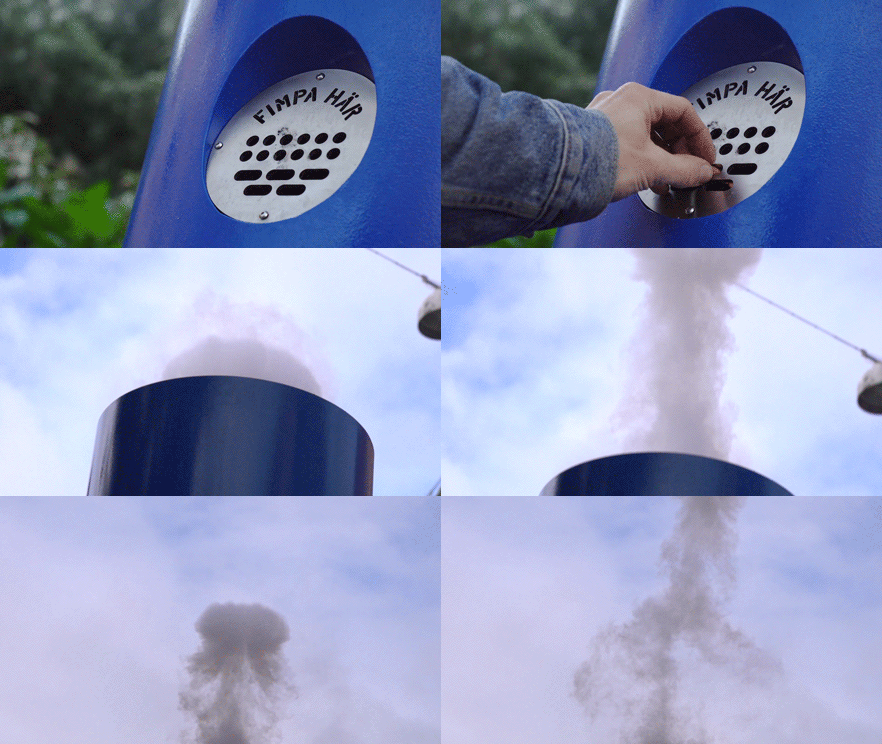
Telling people what to do is easy. Changing people’s behavior is hard. Cigarette butts are the most widespread form of littering. Since smoking is prohibited in outdoor seating areas and outside venues where ashtrays used to be available, smokers simply step outside to smoke in the streets. This has turned our streets into ashtrays, causing both significant environmental damage and an unpleasant urban environment.

Smokers don’t want to litter. They just want a cigarette. But the available ashtrays on lampposts and bins disappear in the cityscape. And when the right choice is invisible, the wrong one becomes a habit.
Increased cleaning, rules and regulations had all proven insufficient to disrupt the smokers’ old ways. So, The City of Malmö stopped telling people what to do and started showing them how they could both smoke and discard their cigarettes the right way.
Using a solution that quite literally rises above the noise of everyday life – smoke signals. One of the world’s oldest forms of communication, now rekindled to signal that cigarette butts belong in ashtrays.


Smoke signals are the new visual language in Malmö for reaching smokers, using positive signals instead of prohibition.
Want to end the littering in your city too? Use the open-source material on this site.
“Traditional approaches like more ashtrays, warning signs, or fines underperform because they instruct people on what to do but fail to show that others are doing it.”
— Niklas Laninge, Psychologist and co-author of the report


Solutions are often based on assumptions. But behavior-changing design must be based on real evidence. That’s why a preventive approach rooted in behavioral science was needed, grounded in how the environment around us shapes the choices we make. And that’s why this project began with a report outlining three principles for solutions that ignite behavioral change.
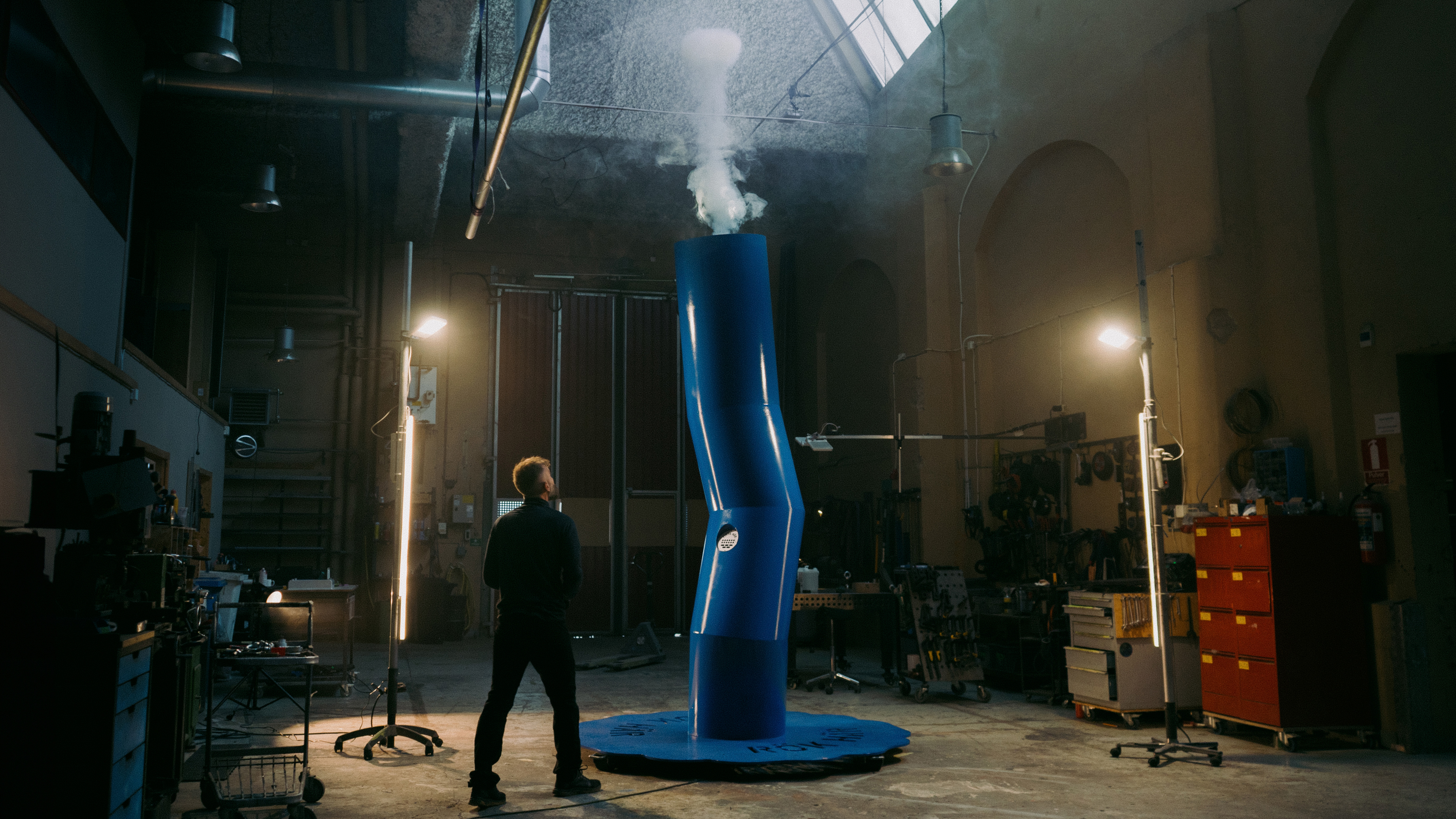

Smoke signals combine all three principles of the report in an integration of behavioral design, innovation, and ancient communication.

The right alternative must be clearly noticeable and not blend into the urban environment.
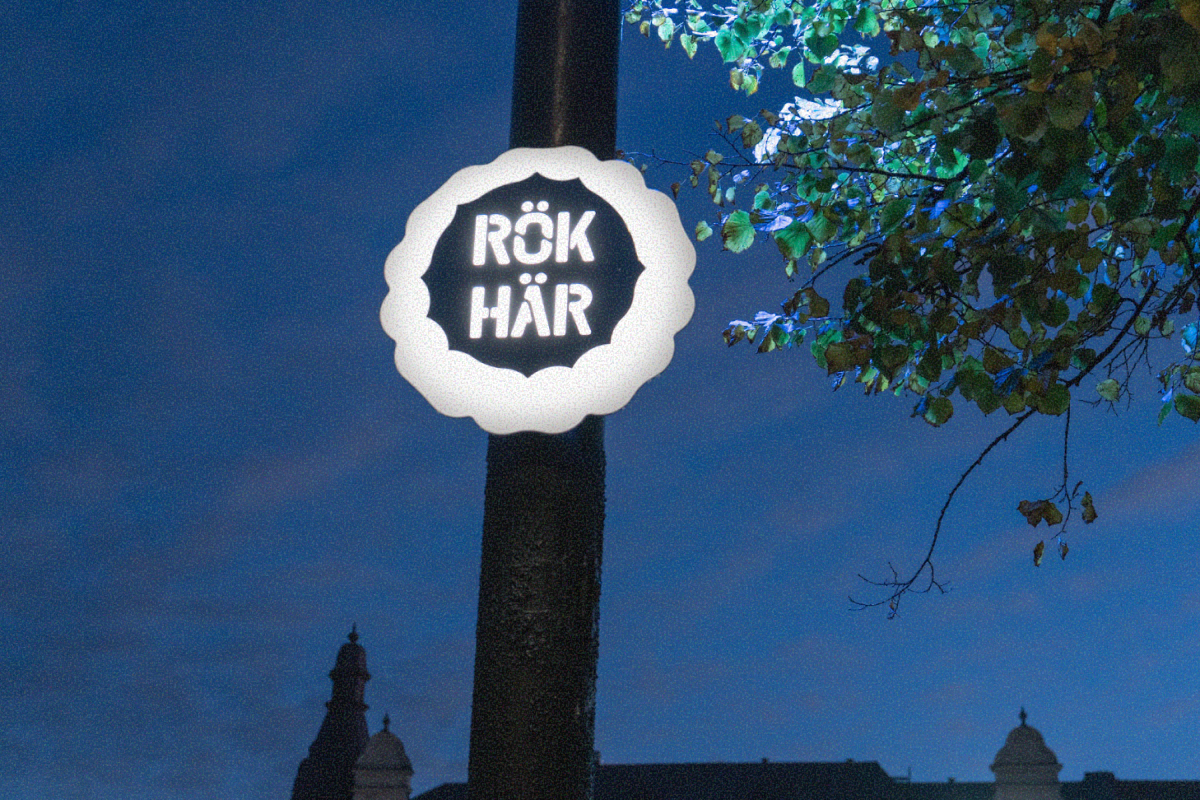
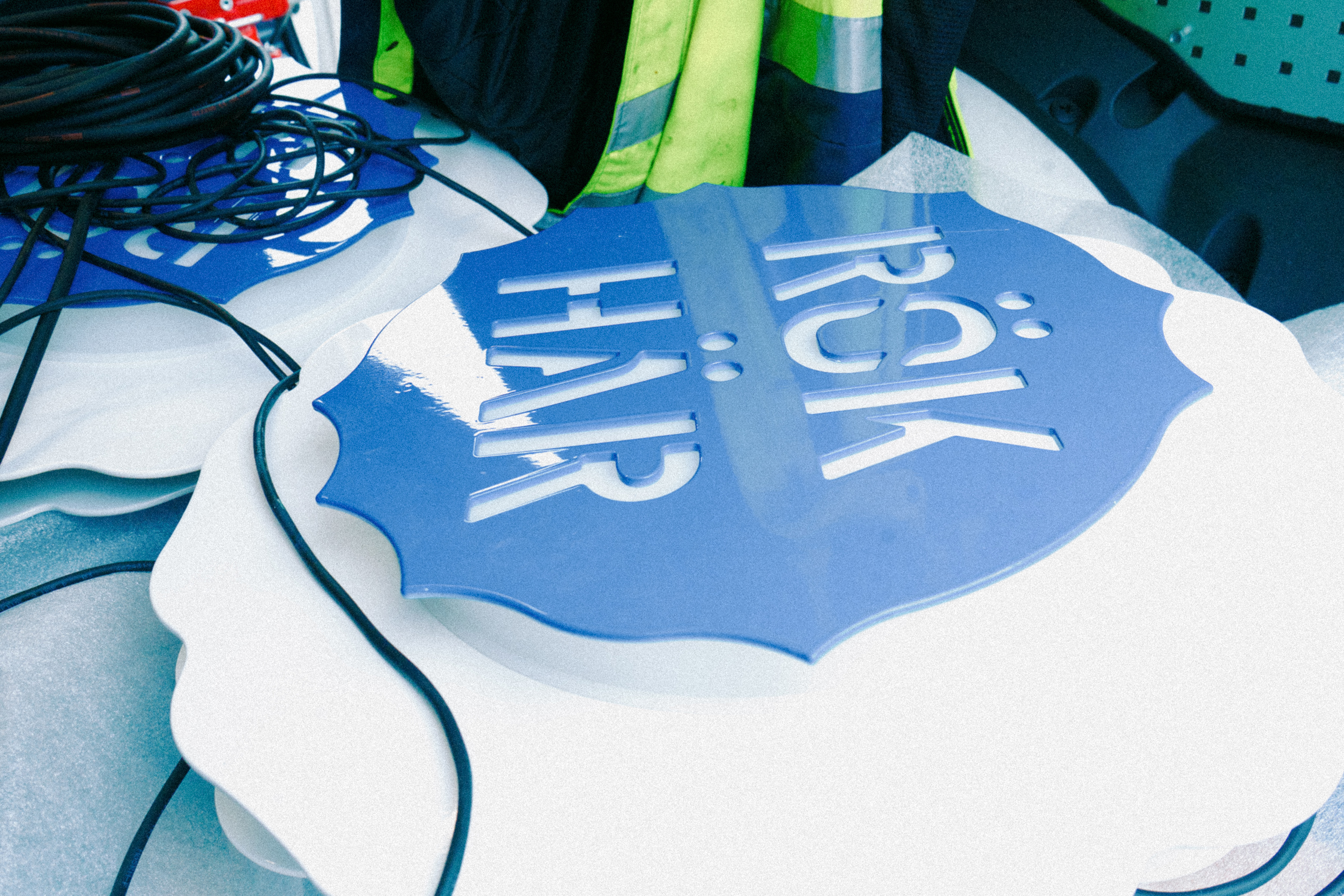
Signs and ashtrays mounted on streetlights, leading the way towards the correct disposal of cigarette butts.

Here, the smoke signals are used in a pictographic way.
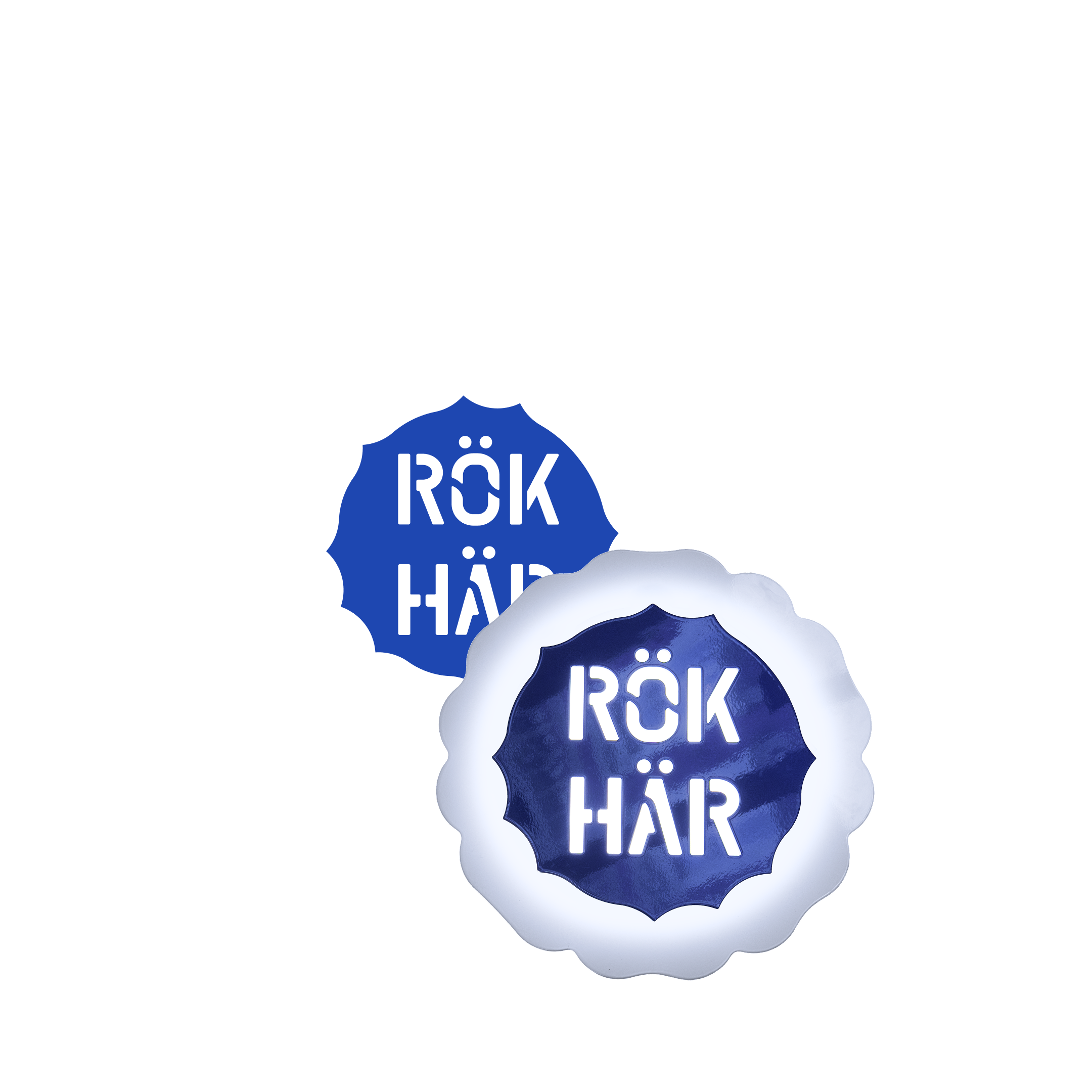
The consistent blue color is RAL 5005, also known as Signal Blue which is commonly used in mandatory signs, indicating a required behavior rather than prohibition.
This color was chosen to communicate positive instructions and specific required actions during the 1968 Vienna Convention on Road Signs and Signals.
During the darker hours of the day, the text is backlit, further enhancing visibility.






Social norms shape behavior — show that others use the ashtray, and the rest will follow.
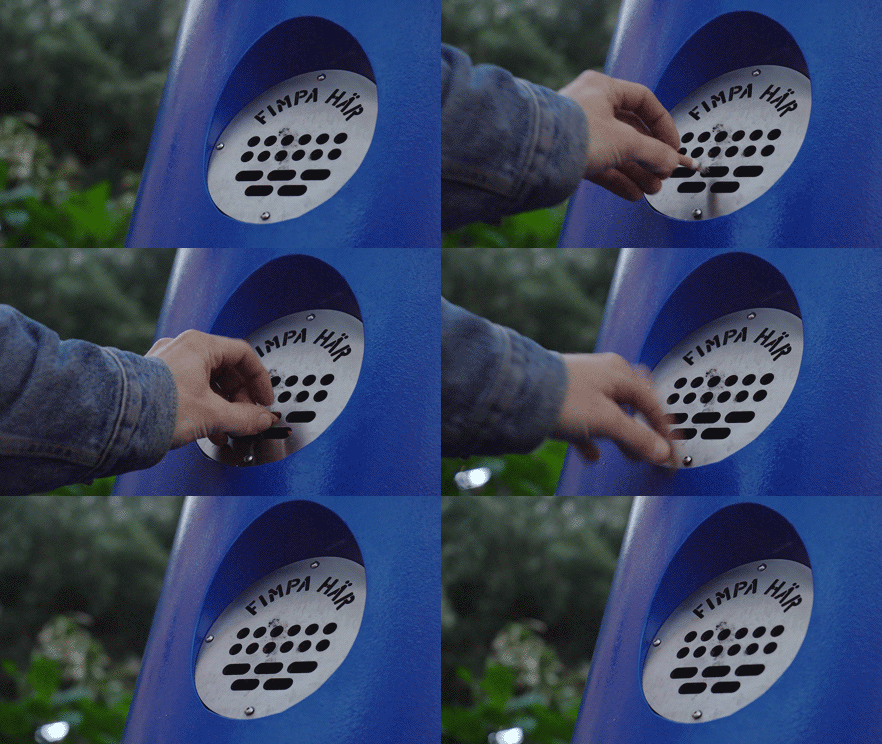
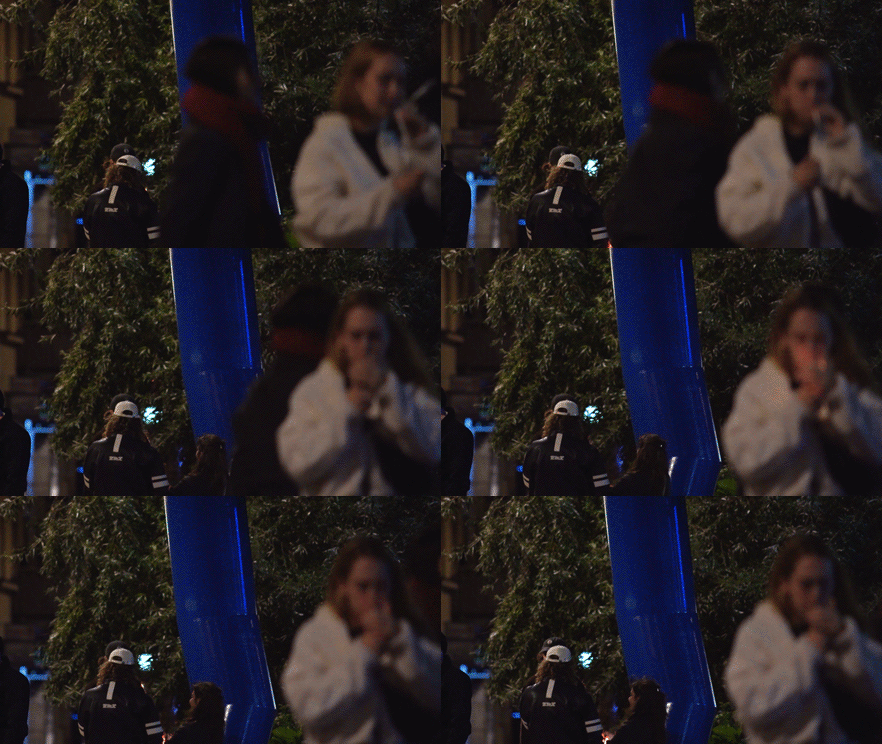
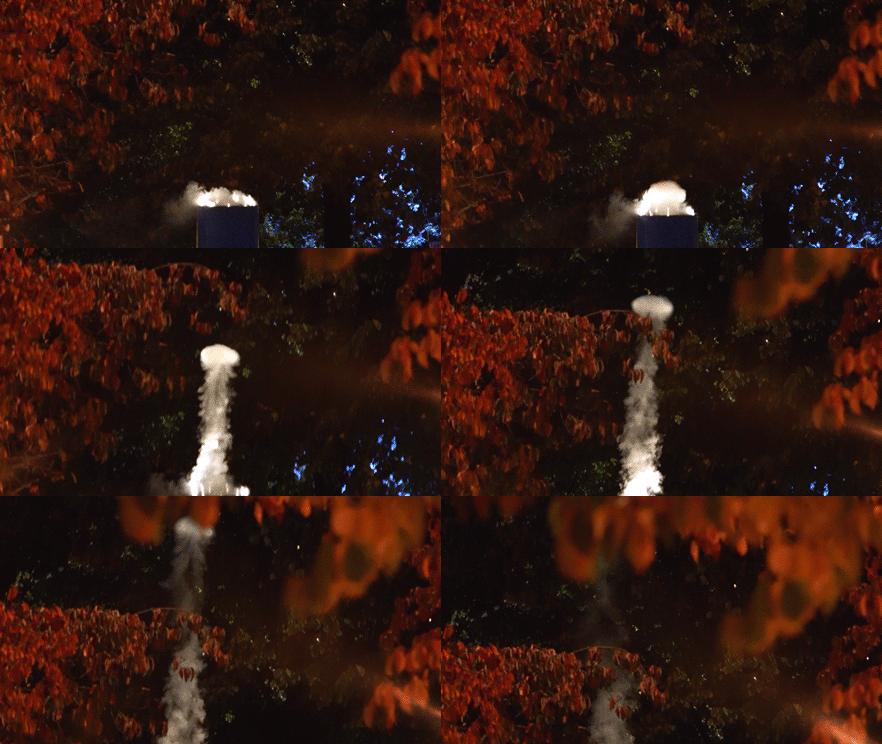
This monument features a built-in ashtray with an IR sensor that releases a smoke ring into the sky every time a smoker discards their cigarette there. The logic? Social proof. This touchpoint enables smokers to signal to each other, “This is the right place to smoke” – so that fewer cigarette butts are disposed of in the wrong way.
Every signal is unique, shaped by wind and weather, yet with an unmistakable, characteristic form: a round, white ring of smoke transforming an individual action into a public cue. A brief, theatrical burst and a playful reward for the right choice.
10.29.2025 Version 1.0
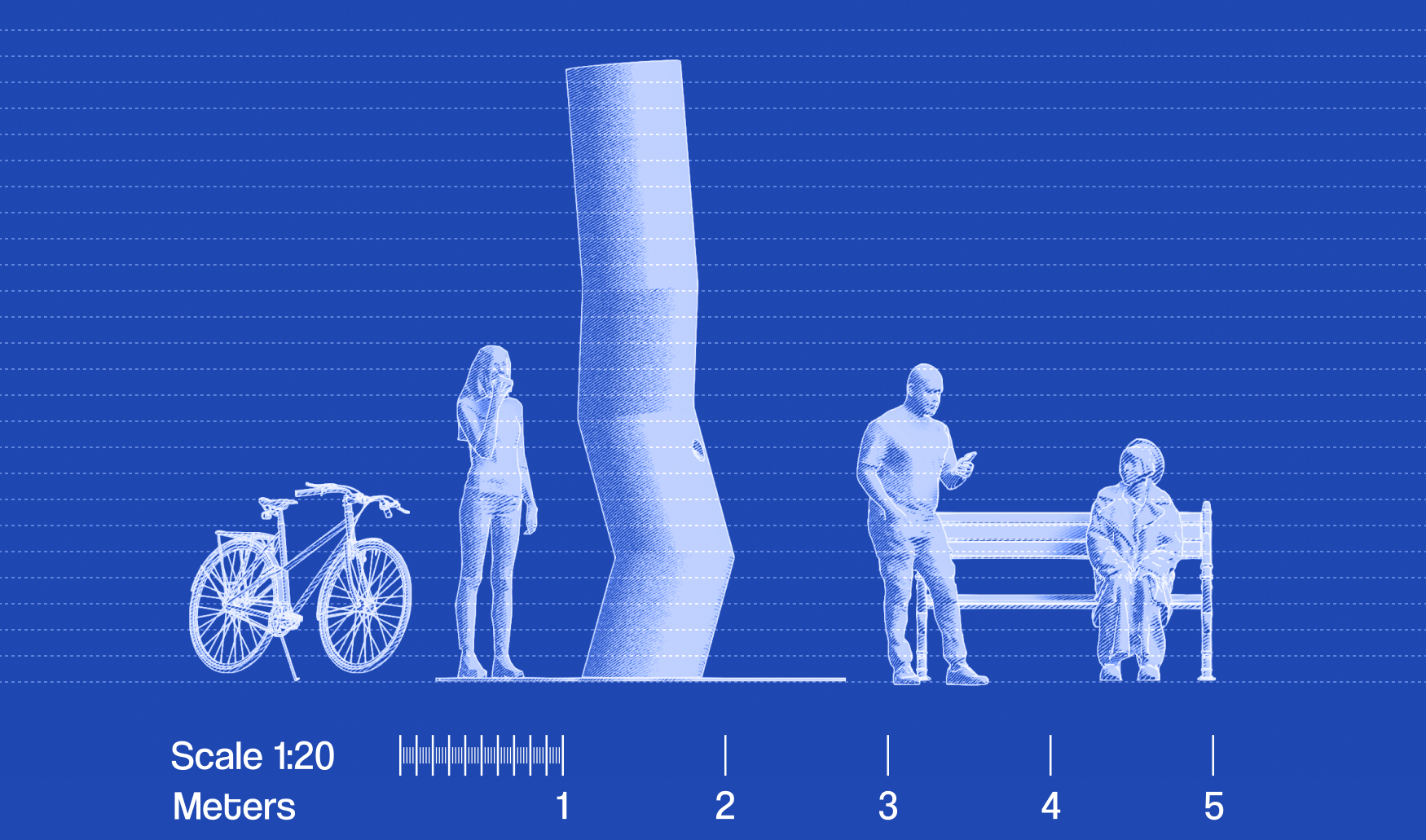
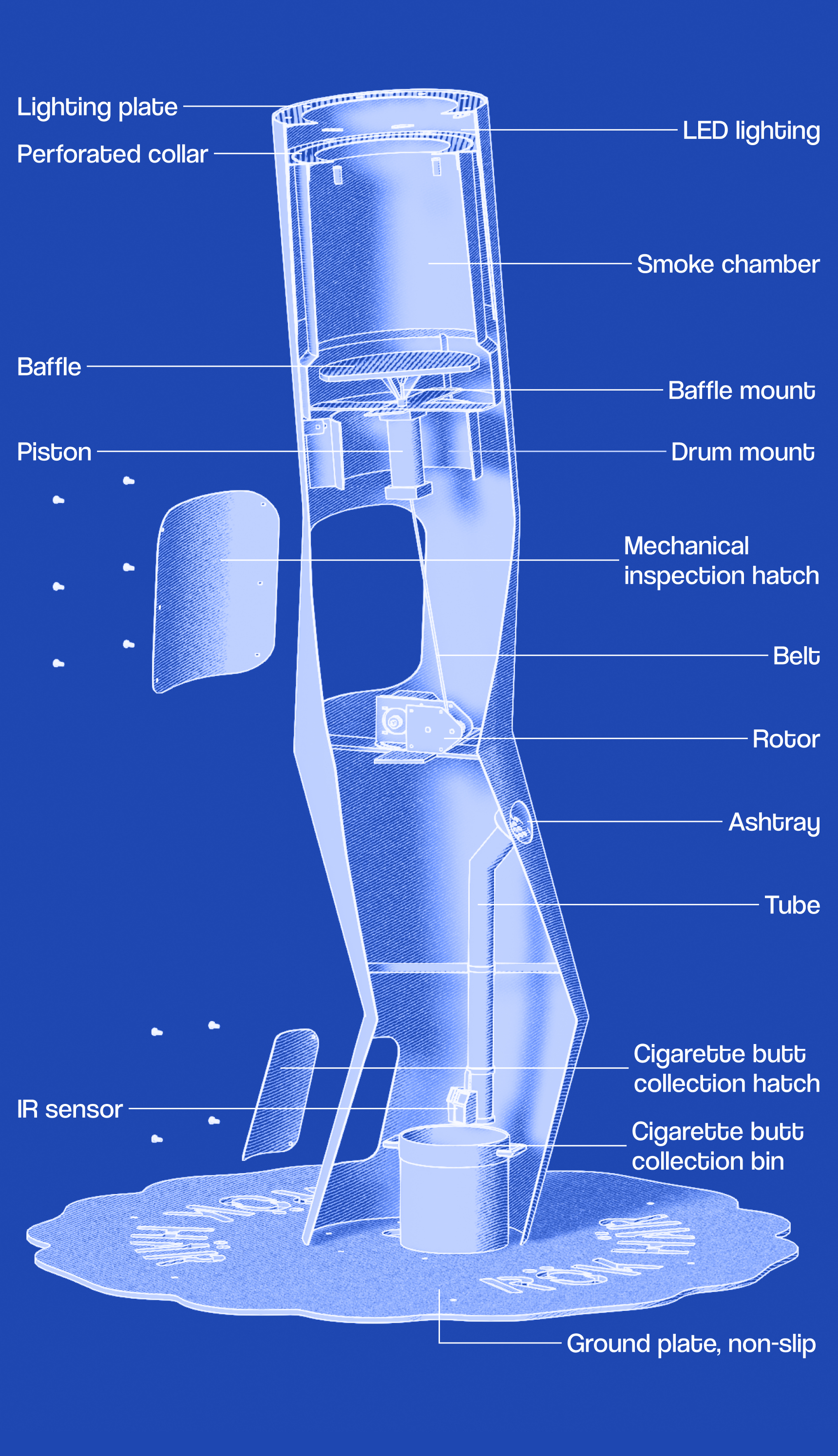


10.29.2025
Version 1.0

The distance to the ashtray is crucial — place the intervention exactly where the problem occurs.

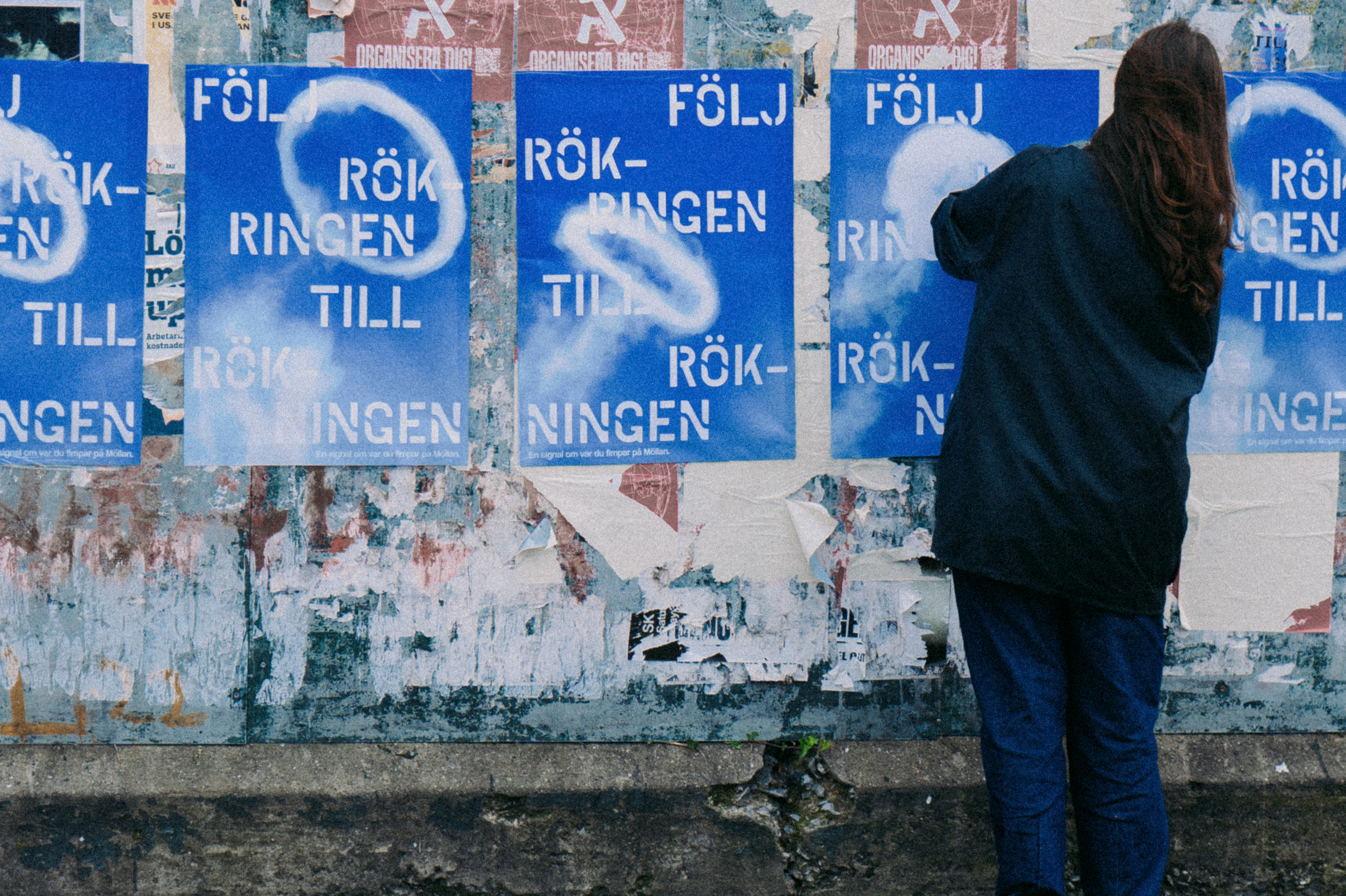
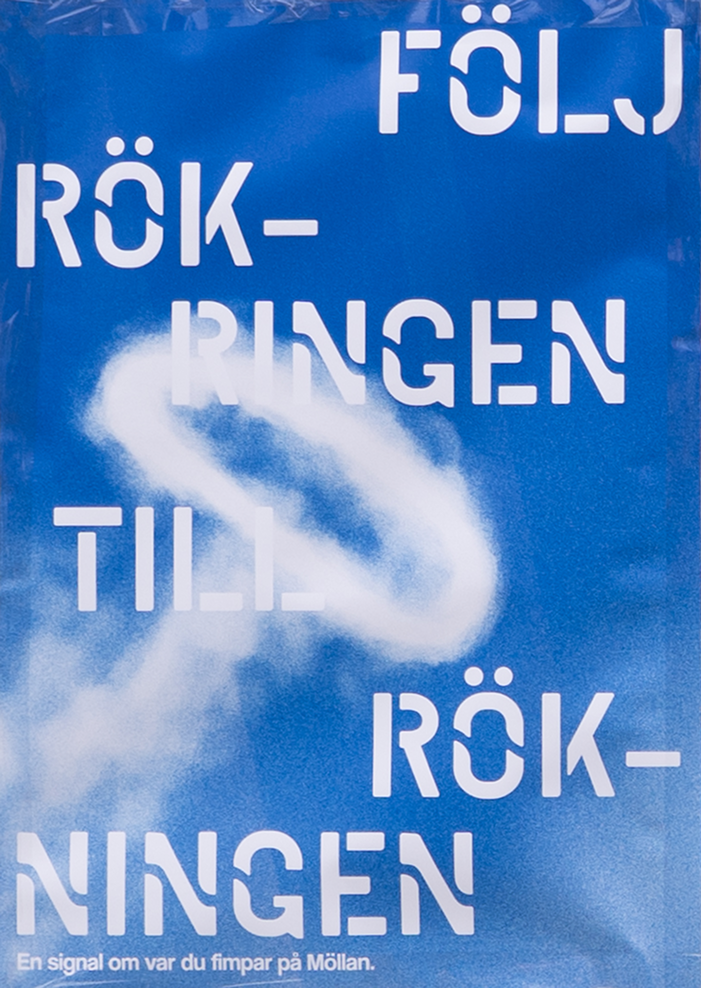
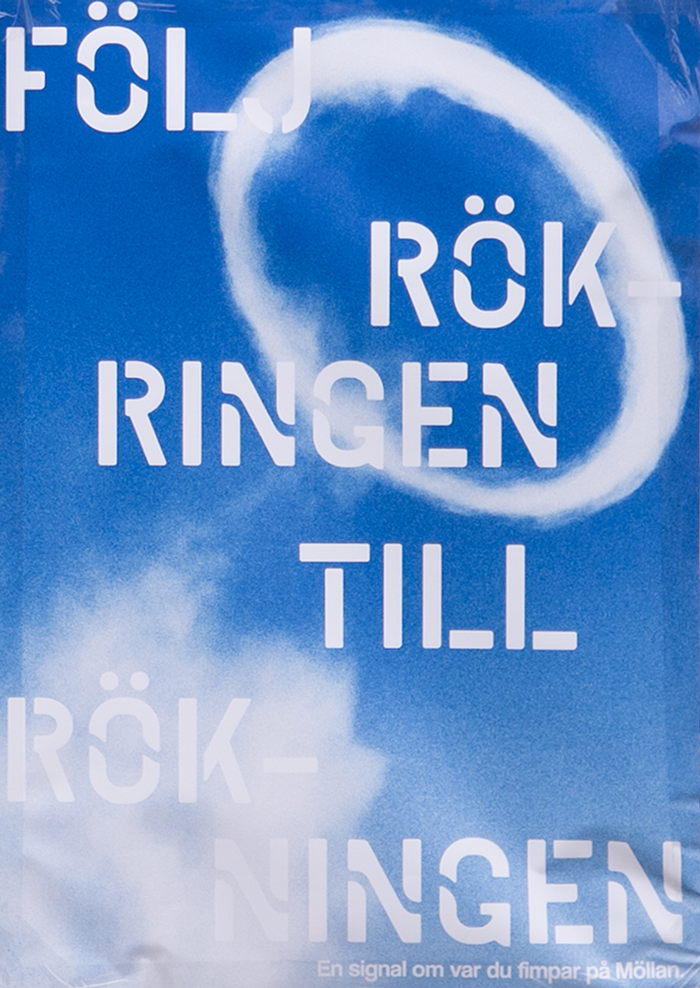
Posters and coasters placed at venues surrounding the focus area. Reaching smokers before they step outside for a smoke with an inviting messaging and the same visual language as the installations on the street.
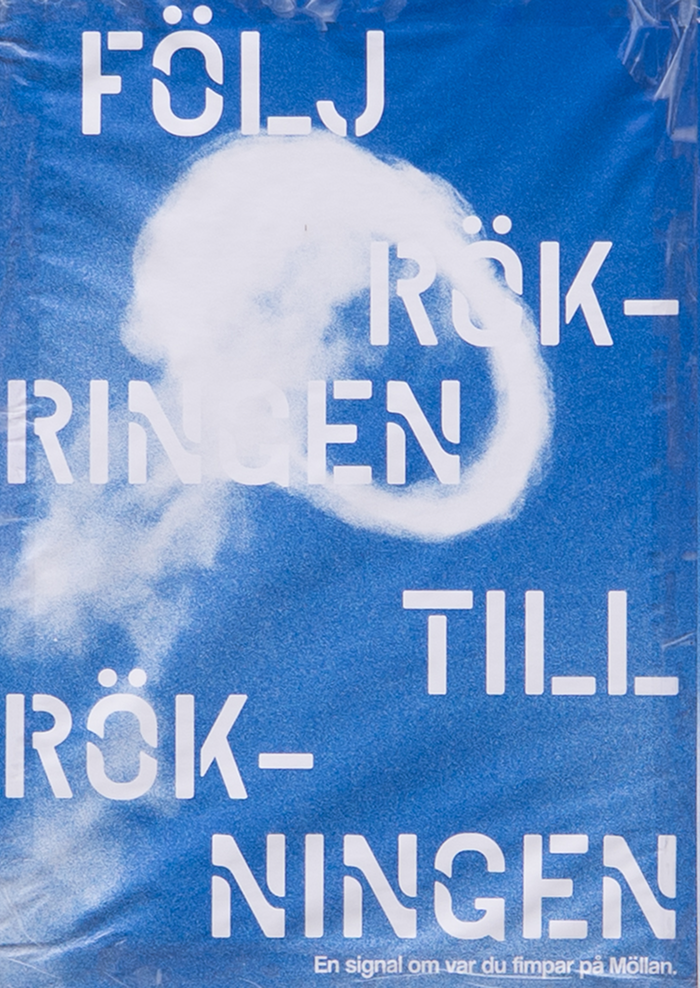
Follow the smoke ring to the smoking.
A signal for where you discard your cigarette butts in Möllan.


more smokers discarded their cigarette correctly.
cigarette butts were collected in total over only 7 weeks.
in potential savings based on the cleaning cost of approximately SEK 4 per cigarette butt. This represents potential annual savings of over SEK 825,000 for The City of Malmö.
liters of water protected from microplastics, heavy metals and cancerous chemicals.
A cigarette butt is small. But the forces shaping the behavior behind littering are not. Smoke signals make doing what’s right feel good by sparking new social norms into action.